Life and Death in the Mud, 1942 – The Possible Victory
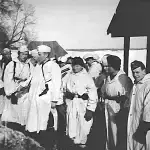
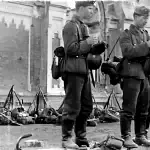
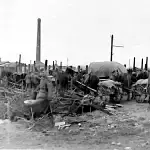
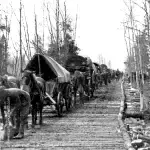
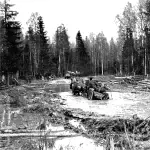
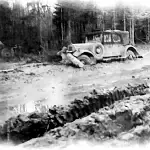
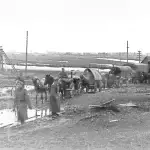
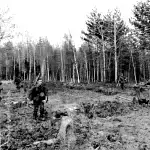
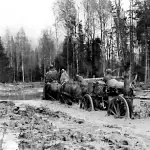
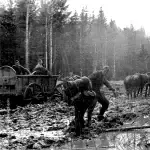
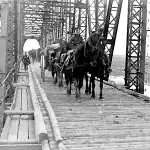
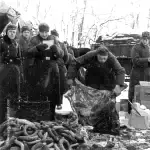
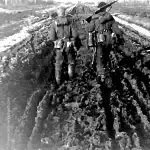
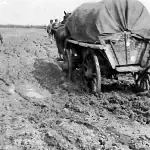
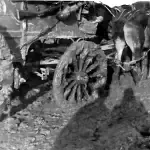
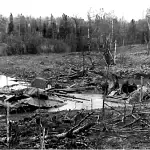
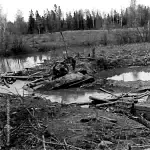
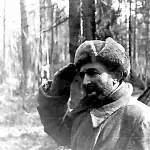
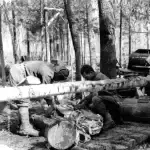
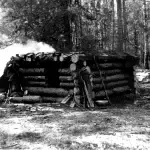
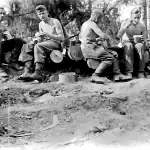
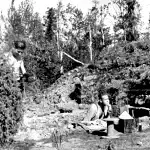
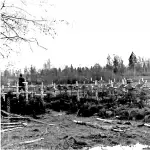
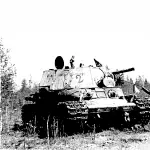
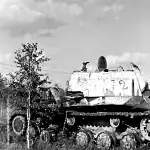
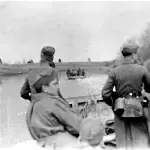
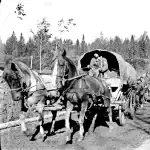
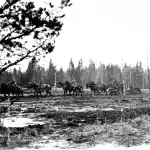
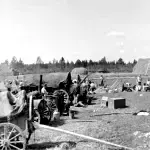
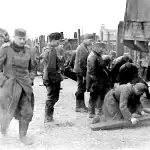
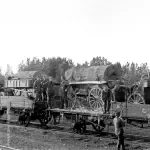
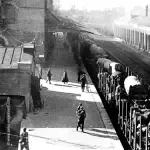
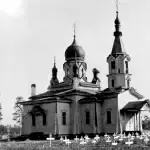
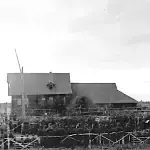
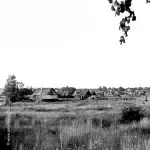
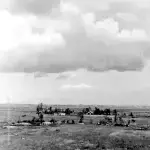
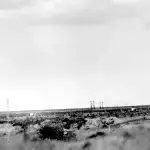
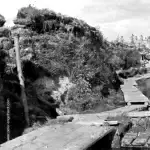
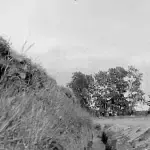
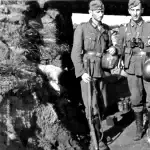
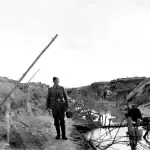
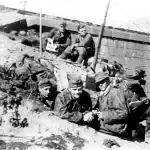
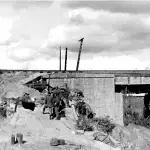
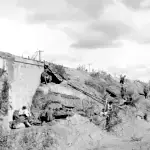
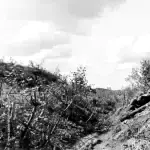
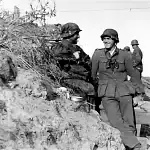
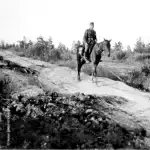
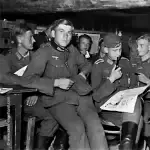
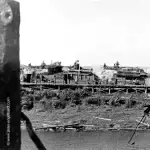
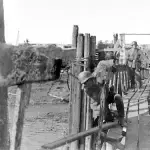
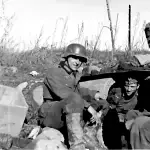
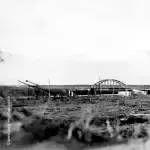
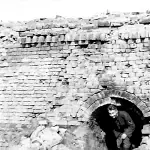
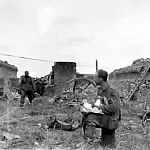
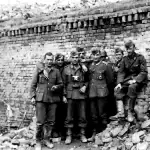
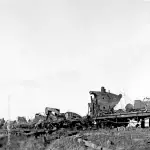
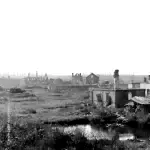
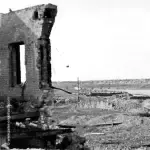
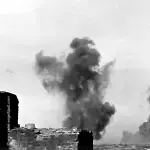
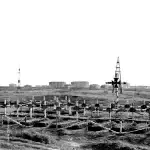
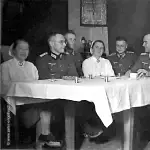
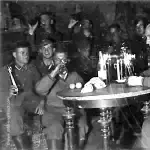
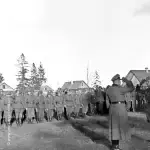
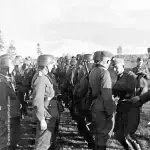
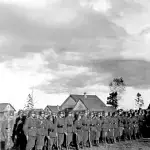
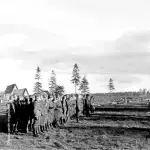
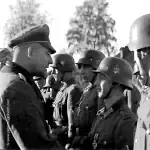
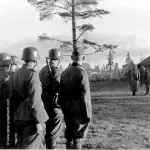
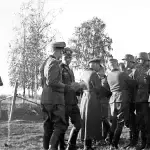
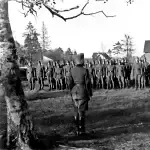
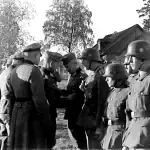
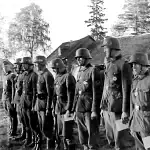
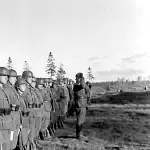
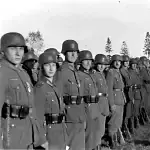
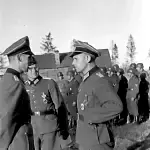
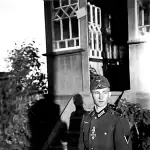
--szablino--sept-42.webp "Sergeant Traber from Bad Cannstatt, Sablino, September 1942")
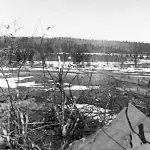
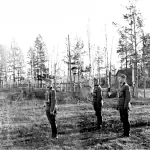
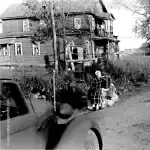
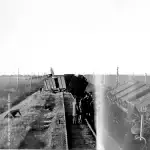
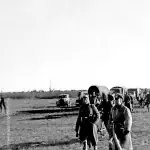
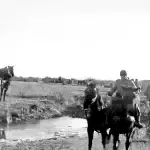
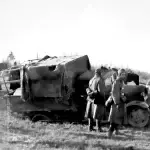
As 1942 began, it became evident that Operation Barbarossa had failed to achieve its objective. The Wehrmacht had been repulsed outside Moscow during the final month of 1941. Nevertheless, Soviet losses were immense, and victory appeared not merely possible but even probable. On the Northern Front, Leningrad (St. Petersburg) was under siege, and cutting the vital railway line to the ice-free port of Murmansk—east of Lake Ladoga—seemed an achievable goal for the coming summer. On the Southern Front, the Wehrmacht’s objectives were the oil-rich regions of the Caucasus and the severing of the second crucial supply route to Persia. Should these operations succeed, Russia’s remaining heartland would be linked to the Western Allies solely via Siberia—and at the far end of that long route, Germany’s ally Japan was currently racing from victory to victory. Army Group Centre—still the main component of the German forces—was tasked with inflicting further heavy losses on the Red Army and capturing key industrial centres through major offensive operations.
In 1941, large segments of the civilian population in some of the occupied territories—such as Ukraine and the Baltic states—had initially welcomed German troops as liberators. However, this soon changed as the Germans began to reveal their true nature. The infamous Wannsee Conference, convened to address the "European Jewish Question," took place in January 1942; yet, direct mass murder in the East had already begun long before that (e.g., Kamianets-Podilskyi, Babi Yar). It was not only Jews who were deemed racially inferior; Slavs were viewed in the same light, and the starvation of millions was coldly factored into the criminal war calculations of the Nazis and the OKW (High Command of the Wehrmacht) from the very outset. Given the sheer scale of these crimes, the so-called "Commissar Order"—which mandated the liquidation of political commissars on the battlefield—might seem like a mere footnote. Yet, a crucial distinction remains: these criminal murders were carried out directly by the Wehrmacht. This verbal order from the Führer was obeyed by approximately 80% of German frontline divisions, resulting in the murder of up to 10,000 captured political commissars (a figure that includes killings carried out under Wehrmacht responsibility, even if not immediately upon capture). Added to this were the murderous conditions in prisoner-of-war camps, which claimed a staggering number of lives, as well as the execution of tens of thousands of captured Soviet soldiers of Jewish faith...
However, the Germans had reckoned without their host. By this time, the Red Army’s leadership had been purged of its weak elements, and the loss of strong commanders—victims of the purges ordered by Stalin in previous years—had been made good. They had adapted to German tactics and, as early as late 1941, began launching large-scale counter-offensives. Following an offensive in December 1941 that had driven German troops back beyond the Volkhov River, another powerful Soviet offensive was launched in the Volkhov sector in early January 1942, aiming to break the siege of Leningrad. After fierce fighting, the Red Army advanced 75 kilometers by March, reaching the approaches to the town of Lyuban. In April, Private Gruber was transferred to the Volkhov front as part of the reinforcements that had become necessary.
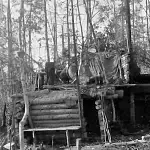
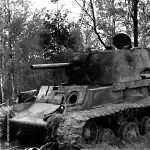
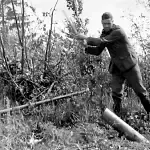
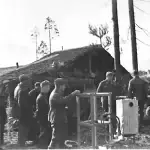
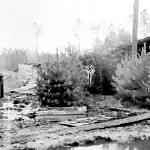
1942 is the year least documented by Gruber himself during his time of service at the front. The diary from 1942—which presumably once existed—is no longer extant, nor are the letters to his parents, which almost certainly existed as well. However, the letters to his future wife do not begin until late October. This creates a significant gap in the chronology, though it is partially bridged by the many photographs Gruber annotated. No other year has yielded such a large number of surviving photographs, allowing us to reconstruct much of Gruber’s area of deployment on the Eastern Front based on the captions. Following his final diary entry in late November 1941, Gruber’s unit spent the turn of the year 1941/1942 in a rest position at Gostilitzy, west of Leningrad.
Timeline 1942
March 1942: Perelesje (Research yielded the following coordinates for this name. The Google satellite image appears to show the ruins of a village a few kilometers from Gostilizy. However, another location or site by this name is said to exist somewhat further to the west.)
In April 1942, Gruber’s unit is transferred to the Volkhov front.
Heavy fighting along the Volkhov ensues from May through August 1942.
In August 1942, the unit is redeployed from the Volkhov to Kolpino, southeast of Leningrad. Gruber also occasionally labels Kolpino as "Choblino."
Several place names appear in September 1942: Kolpino (about 4 kilometers south of the Neva), Szablino (Sablino—Gruber almost certainly means Sablino when he writes "Chablino," rather than Kolpino, which is sometimes spelled "Choplino"), and the Neva Bend.
The unit moves to Ulyanovka for a rest period; the town’s railway station bears the name Sablino for historical reasons. Award ceremonies are held there with the appropriate formalities. Gruber also receives the Iron Cross, Second Class, of which he is evidently very proud.
In October 1942, the battalion command post is located near Krasni Bor (Krasnyy Bor), approximately 4 km southeast of Kolpino.
In November 1942, Gruber’s unit is transferred to Kholm (Cholm) in the central sector for anti-partisan operations.