A Hopeless Struggle, 1943 – The Beginning of the End
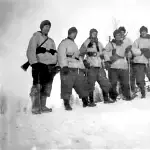
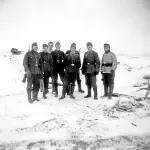
-maerz-43.webp "First Lieutenant Middelschulte, Remscheid Strongpoint near Kholm, March 1943")
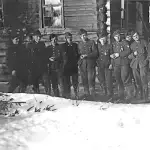
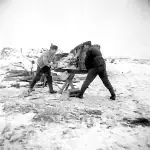
--maerz-43.webp "At the Remscheid strongpoint near Kholm, March 1943")
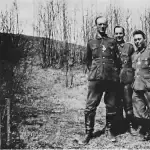
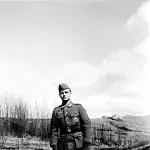
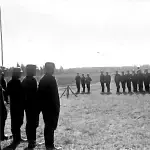
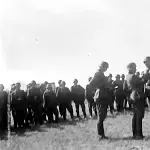
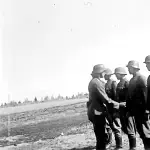
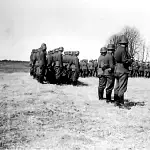
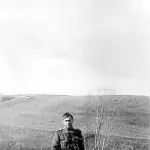
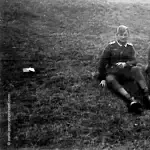
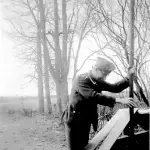
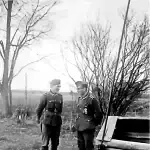
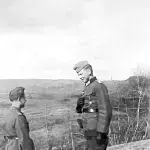
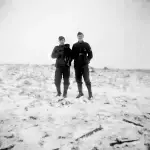
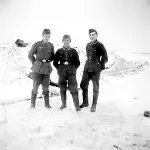

While the military situation at the beginning of the previous year had still held out the distinct promise of victory for the Wehrmacht, the landscape had changed completely by the start of 1943. The Wehrmacht had achieved none of its objectives. Worse still, thanks to the "military genius" of the Führer, an entire German army—along with at least 100,000 additional soldiers from Romania, Italy, and other nations—had been encircled at Stalingrad with no hope of escape. Their capitulation was merely a matter of time. Yet, responsibility for this—and for the events that followed—cannot be laid solely at the feet of the Wehrmacht’s Supreme Commander and self-styled "GröFaZ." The officers who had risen to the Wehrmacht’s high command had all sworn an oath of allegiance to the Fatherland—whether under the Empire or the Republic—long before swearing a personal oath to Hitler. And they broke that initial oath; for it was clear, at least to this level of Wehrmacht leadership, that the war could no longer be won. They should have acted by this point at the very latest, even if they had previously condoned Nazi crimes and made themselves complicit. They left their soldiers to die, while fearing death themselves at the hands of the inevitable tribunals. Only in this way can their cowardice and breach of oath be explained. Europe remained largely undestroyed, and many—if not most—cities and villages in western Russia were still intact; furthermore, while the machinery of murder in the extermination camps had been operating at full capacity since mid-1942, the plan of extermination was far from fully realized—an end to the war in 1943 would have spared tens of millions of lives.
The realization that the war could no longer be won was spreading at the front as well. As a common frontline soldier once put it, "after the lost battles of the summer of ’43, it was clear even to the biggest moron that the war was lost." Indeed, one had to be either quite stupid or a rather fanatical Nazi to still believe in victory as a soldier on the Eastern Front during that period. Back home, the situation looked different. Soldiers on the Eastern Front rarely got leave, one had to be very careful in field post letters, and the propaganda machine was running at full tilt. Soldiers deployed across Europe as occupation or security troops likely viewed matters somewhat differently, too. While bomber raids were increasing, the attacking formations suffered heavy losses from anti-aircraft defenses. Yet, the events at Stalingrad gave many pause for thought. The Nazi leadership recognized this as well; Goebbels declared "total war," thereby scuttling the broadcast of Gruber’s musical greeting on the *Soldatensender Belgrad* (Soldiers’ Radio Belgrade). Just two and a half years earlier, Gruber—then a member of the Hitler Youth—had stood by the roadside with his group in Munich, cheering for the propaganda minister...